 Paul L.
"How many words do I need?" is the first question most people ask and the one with the least satisfying answer, because it depends entirely on what you want to do with them. What we can do is show you the shape of it, using the 10,000+ words we curate for the app, each tagged with the CEFR level at which it typically appears. The figures below are rounded: the list grows, and the shape matters more than the last digit.
Key takeaways
- The A1 and A2 bands together, about 1,600 words, cover getting through a day and make a trip stop being stressful.
- Adding B1 opens up conversation, and B2 is where the language starts running on its own and you stop translating.
- 'How many a day, for how long' is the more useful question, and it only works if you do not stop, so the method matters more than the target.
The levels, by the numbers
| Level | Words at this level | Running total |
|---|---|---|
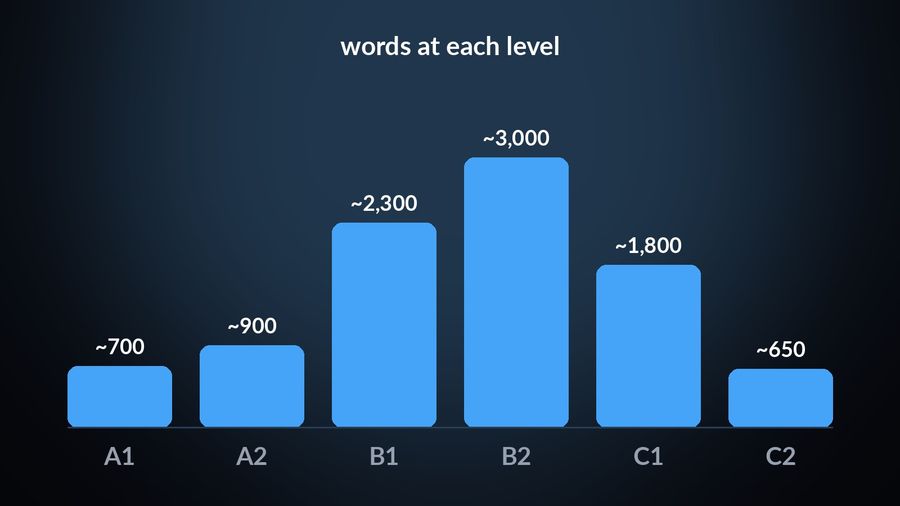
| A1 — absolute beginner | ~700 | ~700 |
| A2 — elementary | ~900 | ~1,600 |
| B1 — intermediate | ~2,300 | ~3,900 |
| B2 — upper intermediate | ~3,000 | ~6,900 |
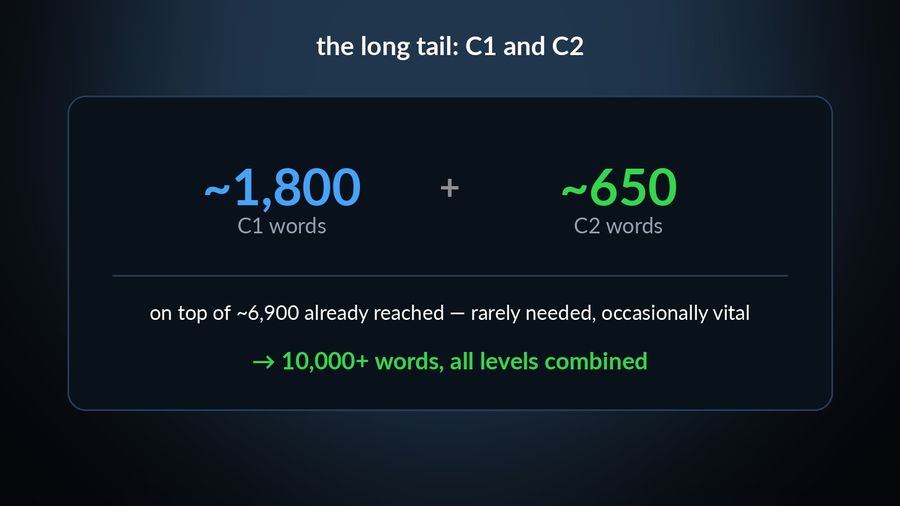
| C1 — advanced | ~1,800 | ~8,700 |
| C2 — mastery | ~650 | 10,000+ |
What each band actually buys you
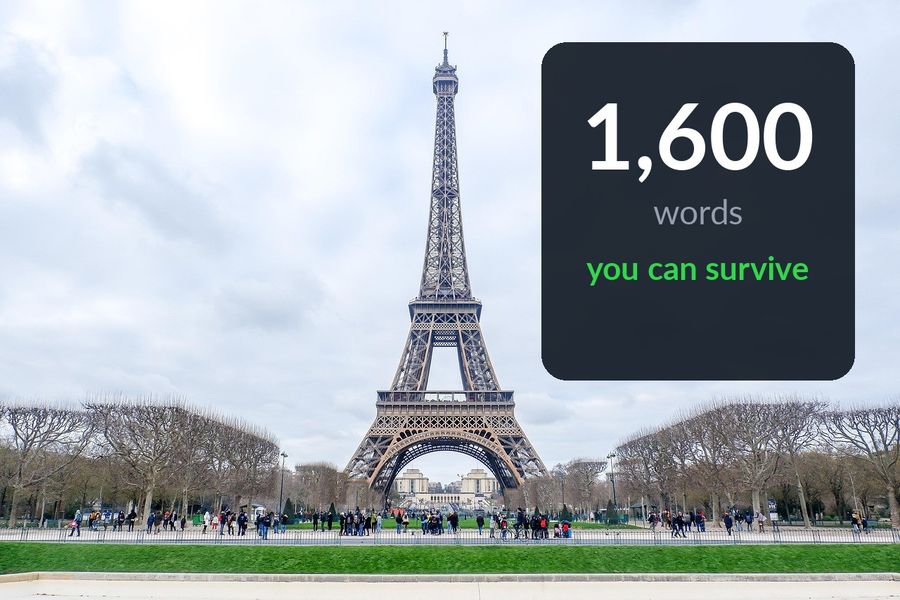
Around 1,600 words: you can survive
The A1 and A2 bands together are the vocabulary of getting through a day — ordering, asking directions, describing where you live, handling a shop or a station. It is a small enough number to be genuinely reachable in a few months, and it is the point at which a trip stops being stressful.
Around 3,900 words: you can follow
Adding B1 is where conversation opens up. You can follow someone speaking normally about a familiar subject, read straightforward articles, and explain what you think rather than only what you need. This is the level most learners have in mind when they say they want to "speak French".
Around 6,900 words: you stop translating
B2 is the band where the language starts running on its own. You can watch a film without subtitles, read a novel with a dictionary open rather than in constant use, and argue a point. It is also where progress feels slowest, because each new word turns up less often than the last.
Beyond that: precision, not survival
C1 and C2 add a few thousand more words that you will rarely need and occasionally be very glad to have — the register of academic writing, legal and medical language, the shades of meaning between words that a learner's dictionary translates identically.
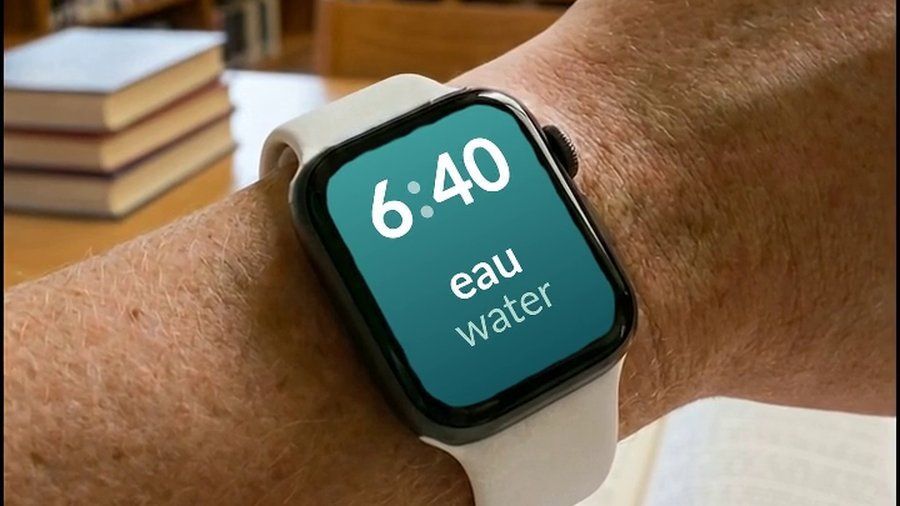

These are the same words the app shows you. The beginner ones are free to read in the French vocabulary lists, sorted by topic, no sign-up.
A more useful question
Not "how many", but "how many a day, for how long". 1,600 words at ten new words a day is about five months. At three a day it is closer to eighteen. Neither number is the hard part — the hard part is that both assume you do not stop, which is why the method you choose matters more than the target you set.